
LASIGE researcher Rúben Gouveia has successfully obtained funding for his AmbiAccess project, through the FCT’s PEX exploratory call.
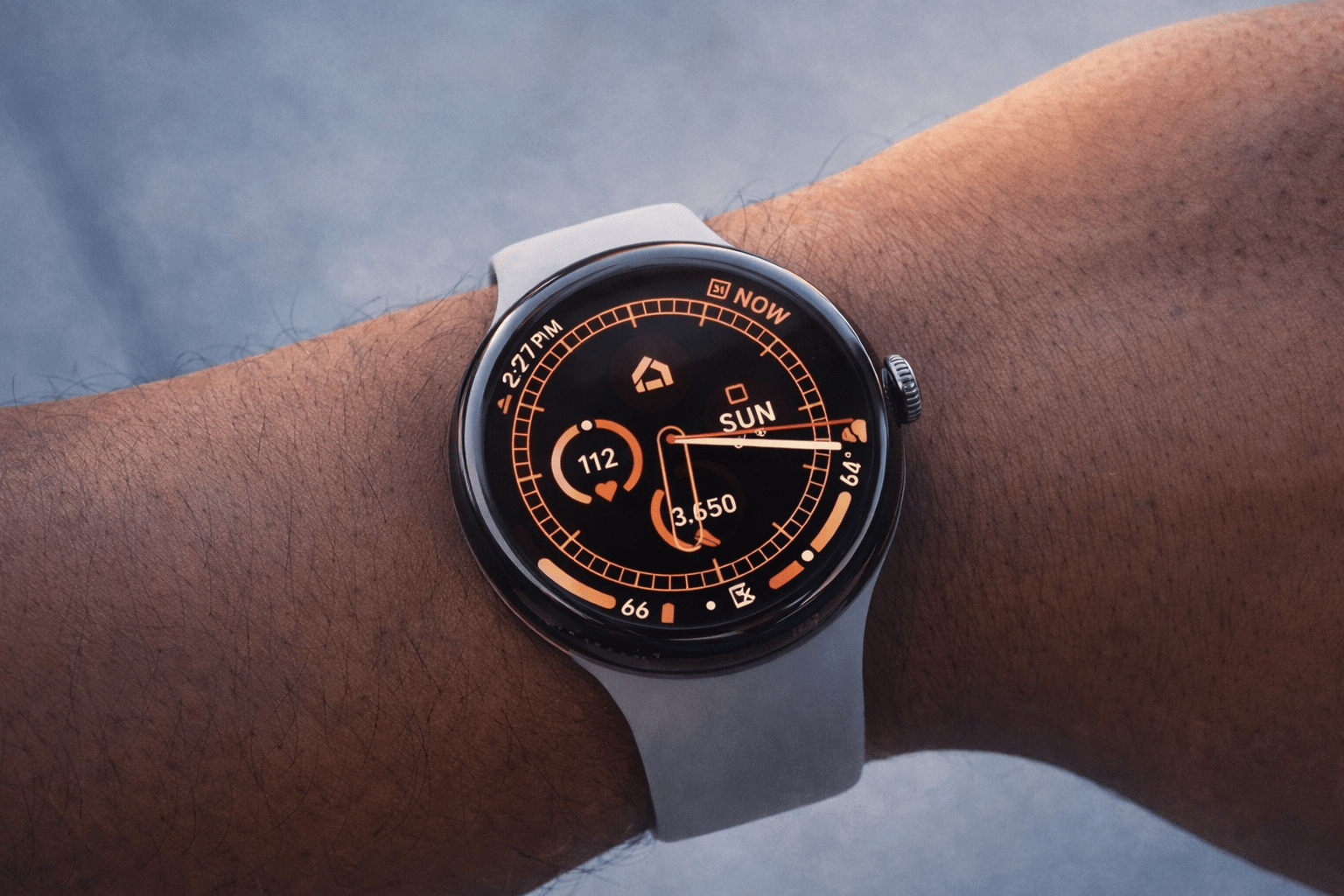
Health tracking through smartphones and wearables is increasingly common, but much of it still assumes visual interaction – charts, color, and visual patterns – making it difficult for people with visual impairments to benefit and make sense of their data.
The project AmbiAccess will rethink how health data can be communicated to blind and low-vision users by exploring ambient, nonvisual feedback. This means subtle audio or haptic cues that blend into everyday interactions with devices, allowing people to stay informed without having to actively seek out information.
“Sighted users often get health information at a glance on a watch face, a lock screen, or in the background of a device they use many times a day,” Gouveia explains. “We want to explore how similar forms of peripheral awareness can exist through sound and touch, without being distracting, intrusive, or cognitively demanding.”
AmbiAccess focuses on defining a design space for this kind of nonvisual ambient feedback. The project will develop technological solutions, exploring fundamental questions such as: What health information should be surfaced? When should it appear? How subtle is subtle enough? And how can feedback remain private while still being meaningful?
The project brings together expertise in accessibility, health tracking, and nonvisual interaction. Alongside Rúben Gouveia, the team includes João Guerreiro, and Eun Kyoung Choe, leading researchers in accessibility and personal informatics.
The broader ambition of AmbiAccess is to offer designers and researchers clearer guidance on how to build accessible health feedback systems. “If we want digital health technologies to truly support everyone, accessibility can’t be an afterthought,” says Gouveia. “It needs to be part of how we think about feedback, and everyday interaction from the start.”